






Table of Contents
Related news
How to Choose Label Hot Melt Glue for Water Bottle, Plastic, and Coated Paper Labels
Selecting suitable label hot melt glue is often more complex than it appears. A glue that bonds coated paper labels beautifully will slide straight off a wet PET bottle overnight. Many operators have experienced removing curled labels from crates in high temperature summer environments. The adhesive was fine. The choice was wrong.
This guide splits the choice by surface. Water bottles first. Then plastic containers, then coated paper. Every surface behaves differently, so the glue has to follow. By the end you’ll know which questions to put to a supplier — and which answers should make you walk away.
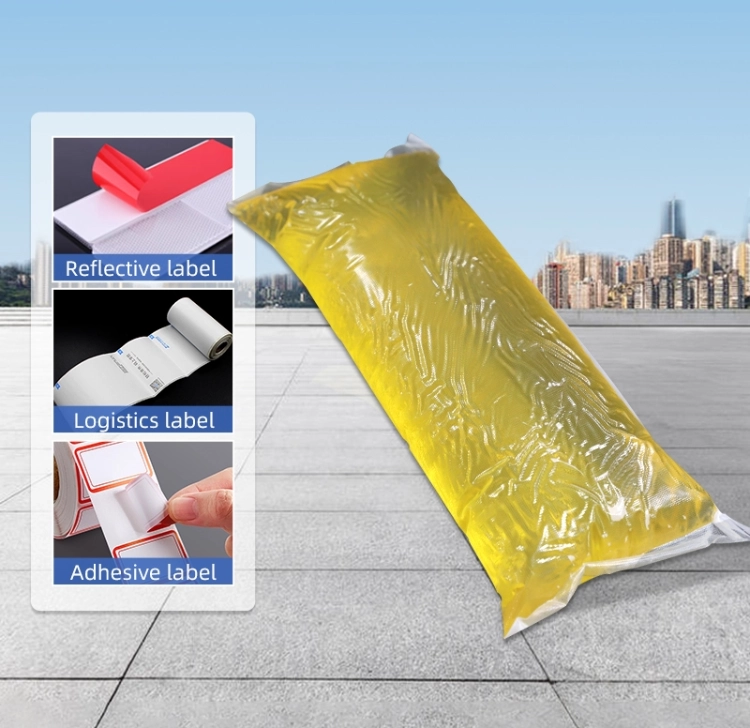
Why the Label Surface Changes Everything
Wetting comes first. Always. A glue cannot grip a surface it never spreads over. Smooth, low-energy surfaces push glue away. Porous stock soaks it up. Nearly every label glue failure traces back to that one difference.
Surface energy gets measured in dynes per centimeter. PET sits around 40 to 44. Untreated polypropylene can drop into the low 30s, and that’s where bonds start failing. Lay a film of condensation or mold release on top and the number falls further still. This is why one glue for everything rarely works. The surfaces aren’t the same, so the glue can’t be either.
Application temperature is the other half of wetting. Most label hot melts run between 140 160 °C. Below the window, viscosity climbs and coverage turns patchy. Above it, the glue darkens, smells, and loses tack. Always adhere to the operating temperature range specified on the technical datasheet , and check the melt tank with a separate probe now and then — display panels drift.
Water Bottle Labels (PET)
Walk down the water aisle and you’re looking at PET. Smooth. Slightly curved. Cold and damp by the time it sits on the shelf. Condensation is what kills bonds here. Glue that never truly wets the bottle lets go as soon as moisture shows up.
Speed matters too. Water lines run fast — thousands of bottles an hour. The label gets one brief press against the bottle, then it’s away down the conveyor. If the tack hasn’t grabbed in that instant, the label creeps loose somewhere around the shrink tunnel. High initial tack and a short setting time come before price on the shopping list.
Storage counts as well. A bond checked the day after application can weaken over months in a hot warehouse if the glue has poor aging behavior. Ask how the adhesive performs after 90 days on a labeled bottle, not just after 90 seconds.
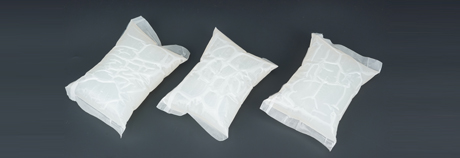
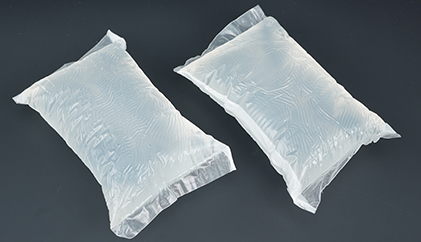
For PET, pick an adhesive made for that exact surface — water bottle label hot melt adhesive from BoiLing is one such product, aimed straight at wet and curved bottles. Temperature counts too. Glue applied cold wets badly, whatever the formulation promises. Keep the melter at spec and verify with a probe, not just the display panel.
Plastic Containers Beyond PET
HDPE and PP? Trickier still. Surface energy sits lower. Additives creep to the surface over weeks. Glue that grips PET all summer can slide off an HDPE jug within days. So test on the real container, not a sample card. Release agents differ from supplier to supplier, and the surface changes more than you’d guess.
Timing adds another wrinkle. Containers straight off the blow molder carry extra additives near the surface. Ones that sat in a warehouse for a month behave differently again. If your labels go on at a different point in the process than where your test samples came from, redo the test.
Purpose-built options exist for this too. Have a look at BoiLing’s plastic label hot melt adhesive, mixed for low-energy plastic surfaces.
Coated Paper and Thermal Labels
Coated paper fails in its own way. The coating drinks glue unevenly. Or the label curls while the glue cools and shrinks. Thermal labels bring a further limit: that heat-sensitive layer only takes so much application temperature.
Curl control here is mostly about open time and setting character. Glue that grabs fast but sets rigid will pull the label into a curve. A slightly softer set keeps everything flat. On thermal stock, watch the printer’s temperature window as well as the applicator’s — the label passes through both, and either one can spoil it.
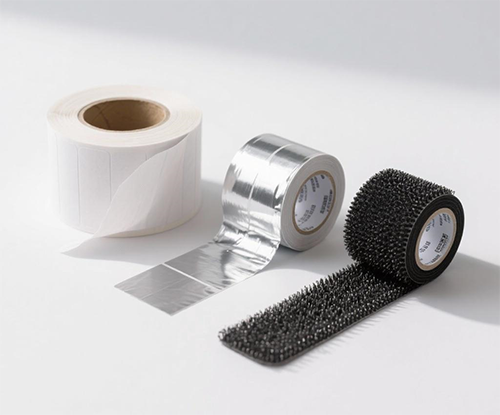
What you need here is controlled open time and a tack profile that grabs the coating without soaking in. Both cases have dedicated products — try coated paper label hot melt adhesive for coated stock, or thermal paper label hot melt adhesive where heat-sensitive labels are involved.
What to Check Before You Buy
- Initial tack. Curved, damp surfaces get grabbed instantly by high tack. Low tack needs dwell time, and your line may not give it.
- Open time. Match this to line speed. Skin-over happens when it runs too long. Labels drift when it’s too short.
- Service temperature. Fridge. Warehouse. A container yard in August. The bond must live through all three.
- Bleed resistance. Glue that oils out at application temperature leaves stains and gums up the cutters.
- Equipment fit. No stringing. No blocked nozzles. How the glue behaves molten matters just as much as the cured bond.
- Low odor at the very least. Export-grade environmental reports too, if your customers ship into the EU.
- Technical suppo Adhesive‑related production failures often occur during unscheduled off‑shift hours. A supplier with real application engineers who answer then beats a slightly lower quote every time.
A Closer Look: BoiLing’s Label Adhesive Range
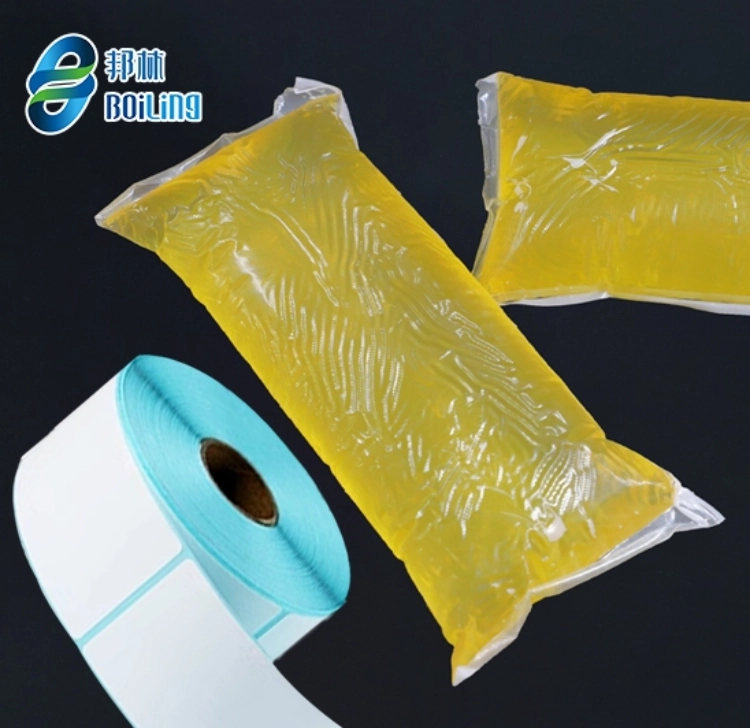
BoiLing — the hot melt adhesive brand of Hangzhou Banglin Bonding Technology Co., Ltd. — has been manufacturing in Hangzhou since 2005. One idea drives its label line: fit the glue to the label and the container, never the reverse. The label adhesive glue family sits under the pressure-sensitive hot melt adhesive category, with dedicated mixes for water bottles, plastic containers, coated paper, thermal paper, even reflective labels.
Shared traits run through the whole range. Strong initial tack, so labels hold on curved, damp surfaces from second one. Clean molten behavior — no stringing, no blocked nozzles. Odor kept low. And thermal stability that fights carbonization through long production runs.
Custom formulation is real here, not a brochure promise. BoiLing’s R&D team builds mixes around your actual application. Samples can be delivered within 2‑3 working days upon confirmation of your requirements. Mass production follows within 10 working days. The fine print sits on the ODM/OEM page.
Common Mistakes That Cost Money
Buying on bond strength alone. The datasheet number looks great. Then the glue strings all over the applicator and the line stops twice a shift. Molten behavior never made it onto the comparison sheet.
Testing in perfect conditions. Dry labels, room-temperature bottles, careful hand application. Then the real line runs through a humid July and everything lets go. Test where the product actually lives: cold, damp, and fast.
Ignoring the melter. Old hoses, scorched tanks, one zone reading 15 degrees off. Even the best glue looks bad in a dirty melter. Clean the system before you judge the adhesive.
Conclusion
Glue follows surface. PET, HDPE, coated paper, thermal stock — each writes its own rules. And field failures prove it: the cheap glue is never cheap.
Shortlist two or three. Trial them on the line. Then work through the dull stuff — delivery, compliance, who answers the phone when something goes wrong.
Prefer to try before you buy? Contact BoiLing and run the test on your own line first.
FAQ
Can one glue handle both PET bottles and coated paper?
Usually, yes — if it was mixed for multiple substrates in the first place. Even so, put it through a line trial on your own labels before you commit.
Why do labels curl after application?
Nine times out of ten: mismatched glue and facestock. Stress grows while the glue sets. The label lifts at the edges. Fix it with an open time and flexibility that suit the stock.
What tack level suits water bottles?
High. Curved surface, often wet with condensation — the bond must form instantly. BoiLing’s advice where initial tack falls short: step up to a model with stronger tack, or one that cures faster.
How much glue does a label line actually use?
Less than most buyers expect. Application weight typically lands between 15 and 30 grams per square meter for pressure-sensitive work. What matters more is consistency — an applicator running 10% heavy quietly burns money all year.
Why does my glue look darker after a week in the tank?
Carbonization. Long holds at high temperature, or air leaking in through a worn lid seal. Dark glue means the next clogged nozzle is already forming. Flush the tank, swap the filter, and check the seal.
 Consult
 Whatsapp
 Leave Message
 top