







Table of Contents
Related news
How to Choose Hot Melt Adhesive for Wall Stickers on Painted Walls, Glass, and PVC
“Stays in place” and “removes cleanly” are separate requirements. A wall sticker adhesive selection should state both, identify the surfaces covered by the product claim, and establish how the finished sticker will be evaluated. Start with representative painted-wall, glass, and PVC samples, keeping their identities separate. Choose a hot melt candidate with the converter and supplier, then examine application, holding, and removal under agreed conditions. Do not use one favorable peel result to promise compatibility with every wall finish or clean removal after an unspecified period.
Should the wall sticker stay permanently or remove later?
The intended removal experience belongs in the purchasing brief before a formulation is shortlisted.
Write the removal requirement first
Specify whether the sticker is intended as a permanent decoration, a temporary display, or a product that must allow repositioning. For a removable design, agree on the removal procedure and acceptable condition of both sticker and surface afterward. Define which receiving surfaces the claim will cover. Avoid leaving the supplier to interpret “removable” without a stated use period, application condition, or evaluation method.
Do not use peel strength as a removal guarantee
ASTM D3330 describes peel tests as tools for quality assurance and cautions that peel adhesion usually has no direct relationship with a functional requirement. Use peel data for the purpose agreed with the laboratory. Inspect removal behavior as a separate application requirement. A number on a report does not, by itself, establish that a painted surface will remain acceptable after removal.
What changes between painted walls, glass, and PVC?
Build a surface record for each intended application rather than a single “smooth surface” category.
Create three separate substrate records
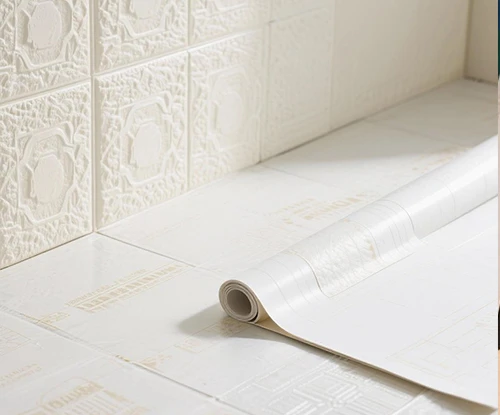
For painted walls, record the paint system, surface condition, preparation, and application date available from the customer. For glass, identify the actual surface and its preparation. For PVC, obtain the material description and the face to be bonded. Ask for representative samples of each. Treat these details as trial inputs to be agreed with the technical team, without assigning a universal preparation or waiting time.
Identify both faces of a PVC construction
State whether PVC is the sticker material, the receiving surface, or both. Describe the full construction, including the adhesive layer and release liner. The home-decoration application page includes wall stickers within its application scope, but that broad category does not define your particular PVC construction. Keep the sample identity and proposed grade together through evaluation and purchasing.
How can a wall sticker adhesive trial capture visible failures?
Include appearance and removal observations alongside any instrumented adhesion measurements in the trial plan.
Inspect the sticker and the receiving surface
Agree on observations before testing: edge position, visible movement, appearance of the sticker, adhesive residue after removal, and changes to the receiving surface. Photograph the same areas at the planned checks. If an unacceptable result appears, retain both the removed sticker and its surface record for review. Describe what occurred without immediately assigning a chemical cause or recommending an untested formulation change.
Record observations at agreed intervals
Ask the buyer to define the intended service period and conditions, then have the supplier propose a relevant evaluation schedule. Include removal checks at the agreed points rather than only immediately after application. Keep results tied to the conditions actually assessed. Where sustained-load testing is used, ASTM D3654 cautions that performance on a standard steel panel may not describe adhesion to other surfaces.
Which coating and liner checks belong before application?
Qualify the finished sticker construction, including how its adhesive was coated and protected.
Control the converted construction
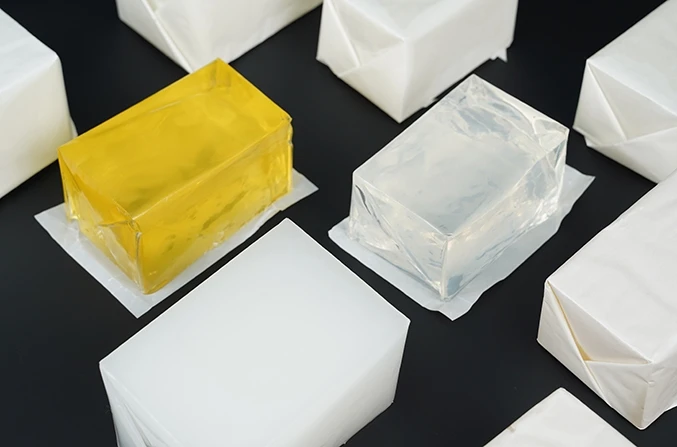
Pressure-sensitive hot melts may be sprayed, coated, or roll coated, depending on the selected process. Discuss the method and grade-specific settings with the converter. Record coating weight with the application controls, which can include roller or blade speed, nozzle size, and viscosity. If a trial changes several variables, identify all of them in the report before drawing a conclusion about the adhesive alone.
Treat liner release as its own test
Check that the liner can be removed as intended during installation, recording any observed transfer or lifting. ASTM D3330 distinguishes release-liner adhesion from adhesion to a receiving surface and notes that the measured force changes with peel rate. Use the agreed method consistently. A liner result should be recorded separately from the sticker’s holding and removal results on paint, glass, or PVC.
What evidence is needed before making a removable-product claim?
Write the public claim from the evaluated application range and keep the supporting records available.
Keep claims within the tested surface range
Prepare a short approval list identifying the surfaces, construction, application procedure, conditions, and removal observations. Do not extend a result on one paint sample to every painted wall. Likewise, keep glass and PVC evaluations identifiable. If a surface is outside the approved range, route it to a new sample assessment instead of adding an unsupported compatibility statement to the product listing.
Give installers a usable application boundary
Ask the supplier and converter to agree on instructions that reflect the evaluated product: eligible surfaces, preparation, application, removal, and any limitations established during testing. Keep the instructions consistent with the evidence supporting the sales claim. Where a prospective customer’s surface is different, request an application review before promising the same result. This makes the approval useful to the people specifying and installing the sticker.
How can BoiLing support a wall-sticker development brief?
BoiLing lists wall stickers among its home-decoration adhesive applications. Its development process includes discussing substrate characteristics, production processes, and performance requirements, alongside formulation and sample work. Buyers can use that support to define a wall-sticker trial covering the intended receiving surfaces and removal requirement. Provide the sticker construction, paint or surface samples, liner, coating route, and proposed use conditions. Ask the team to recommend a candidate and explain the evaluation needed before extending the application claim. The company’s technical services also cover application and equipment questions. Keep the final purchasing approval specific to the tested construction, without treating a general home-decoration description as a universal clean-removal promise.
Conclusion
Choose wall sticker adhesive with a written holding and removal requirement, then evaluate painted walls, glass, and PVC as identifiable applications. Record the converted construction, liner behavior, test conditions, and appearance after removal. Use peel and holding measurements within their stated scope, alongside the finished-product observations. Before expanding a compatibility claim, obtain results for the additional surface. Send the proposed construction and application range through the supplier inquiry page to establish a candidate and trial plan with a clear approval boundary.
FAQs
Can a wall sticker adhesive be approved on glass alone?
Only for the application range that the glass evaluation supports. Painted walls and PVC need their own representative samples and records before you claim equivalent holding or removal behavior on those surfaces.
Does strong peel prove clean removal from paint?
No. Set a separate removal requirement and inspect the actual painted surface after the agreed evaluation. A peel value alone does not establish acceptable residue, surface appearance, or removal performance.
Should every painted wall share one approval?
Do not assume so. Record the paint system and surface condition represented by the sample, then limit the approval accordingly. Review additional wall finishes before expanding the stated application range.
What does a PVC sample need to identify?
State whether PVC forms the sticker, the receiving surface, or both. Supply the actual construction and surface description, with the liner and coating details needed to reproduce the proposed application trial.
Can a decorative-picture glue replace a wall-sticker trial?
No. Assembly of a decorative picture and application of a wall sticker are different purchasing requirements. Ask for an assessment of the actual sticker construction, including its receiving surface and intended removal behavior.
 Consult
 Whatsapp
 Leave Message
 top