





Table of Contents
Related news
How to Select Hot Melt Adhesive for Shoe Insole and Footbed Lamination
Approving an insole adhesive from a strong-looking bond alone leaves an important question unanswered: what is the finished footbed like after lamination? Select shoe insole adhesive around the actual fabric-and-foam stack, the desired feel, the coating process, and a suitable bond evaluation. Keep this brief focused on insole and footbed lamination. It is a different approval task from attaching an outsole or qualifying an entire shoe. The useful purchasing result is a repeatable laminate with defined acceptance requirements, rather than a broadly described footwear glue.
Which layers must the insole lamination hold together?
Give the supplier a labeled cross-section and physical samples before asking for a grade recommendation.
Describe the fabric and foam stack
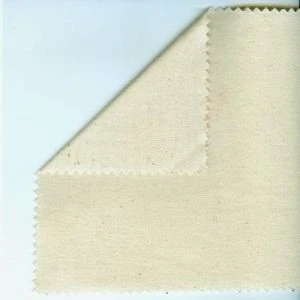
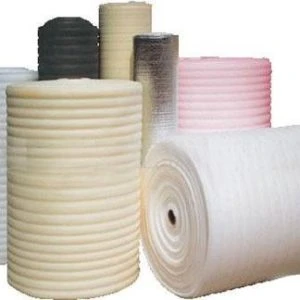
Identify every layer to be bonded, including the fabric face, foam or sponge grade, and any intermediate material. The shoe-making adhesive application page specifically includes sponge bonding and insole composite fixation. Customer product information also lists footwear applications involving nonwoven fabric, other fabrics, and EVA. Use that scope to begin the discussion, while keeping approval tied to the actual materials supplied for your trial.
Keep footbed lamination separate from sole attachment
State exactly which interfaces are included in the purchase specification. If the project covers a fabric facing laminated to a cushioned footbed, ask the supplier to address that construction. Do not extend the resulting approval to outsole attachment or another shoe joint without its own review. Label retained samples so production can distinguish the accepted laminate from other footwear bonding trials.
How much should the bond change the feel of the footbed?
Include the finished laminate’s feel and appearance in the evaluation, alongside its resistance to separation.
Assess the bonded cushion, not loose foam
The shoe-product guidance describes a soft adhesive layer as a way to preserve the sponge’s softness and compressibility while accommodating its deformation. Compare the bonded trial sample with the agreed reference for the footbed. Have the product team define the acceptable feel and recovery observations. Record those judgments as project evaluation results, without turning them into unmeasured comfort or medical-performance claims.
Inspect the finished contact surface
Ask the footwear team to specify acceptable surface appearance after lamination. Inspect the actual facing material and record any visible adhesive marks, uneven areas, or other changes observed during the trial. Keep photographs with the construction and processing record. Do not approve an adhesive solely because the layers resist separation if the finished facing fails the buyer’s separately agreed appearance requirement.
Where should shoe insole adhesive be controlled on the line?
Connect the sample result to the process that produced it, so the trial can be repeated.
Match the coating route to the trial
Discuss spraying, coating, or roll coating with the equipment and adhesive teams. Confirm which method is appropriate for the selected grade and laminate. Record the material identities, machine, settings, and joining sequence. Obtain processing guidance for that grade rather than adopting a general temperature range from another footwear application. The trial record should make clear what was actually done and which variables remain to be assessed.
Record coat weight and joining conditions
Coating-weight controls can involve roller or blade speed, nozzle size, and adhesive viscosity. Keep the measured coating result alongside those settings. Record the joining conditions recommended for the selected construction, including the timing used in the trial. When comparing candidate runs, identify any processing differences before attributing the outcome to the formulation. Ask the technical team to define which variables should be held constant for a useful comparison.
How should you investigate separation or nozzle trouble?
Preserve the evidence of the problem before changing several operating settings at once.
Locate the failed layer first
Examine both separated faces and mark where separation occurred. Record whether the facing detached, the foam itself separated, or another interface was involved. Keep a sample for supplier review. Backing and adhesive variations can both affect test responses, so a changed test result alone should not be treated as a complete diagnosis. Compare the failed sample with the accepted construction and process record.
Check heat history and cleanliness
The shoe-product guidance identifies prolonged high-temperature exposure and impurities as possible contributors to nozzle clogging. Include heat history, visible contamination, and nozzle condition in the equipment review. Follow the equipment and adhesive supplier’s maintenance advice rather than improvising a temperature increase. If the problem persists, send the observations and relevant material identification to technical support before resuming the same production setup.
What should a production-ready footbed sample demonstrate?
Agree on bond testing and finished-part review as related but distinct parts of approval.
Choose a suitable laminate test
ASTM D1876 describes relative peel resistance of adhesive bonds between flexible adherends using a T-type specimen. Ask the laboratory whether that geometry is appropriate for your material stack and specimen. Do not label every pull-apart check a standard T-peel test. Obtain the method, specimen construction, conditions, and result together, with any application-specific adaptation identified clearly in the report.
Combine bond testing with finished-part review
Have the footwear buyer define the intended-use evaluation, including the conditions and repeated actions relevant to the product. Review the bond, cushion feel, and facing appearance after the agreed sequence. Record acceptance for the actual laminate. Retain reference samples and document changes to fabric, foam, adhesive, or processing conditions so later production reviews have a clear basis for deciding what needs to be checked again.
How can BoiLing assist with insole and footbed trials?
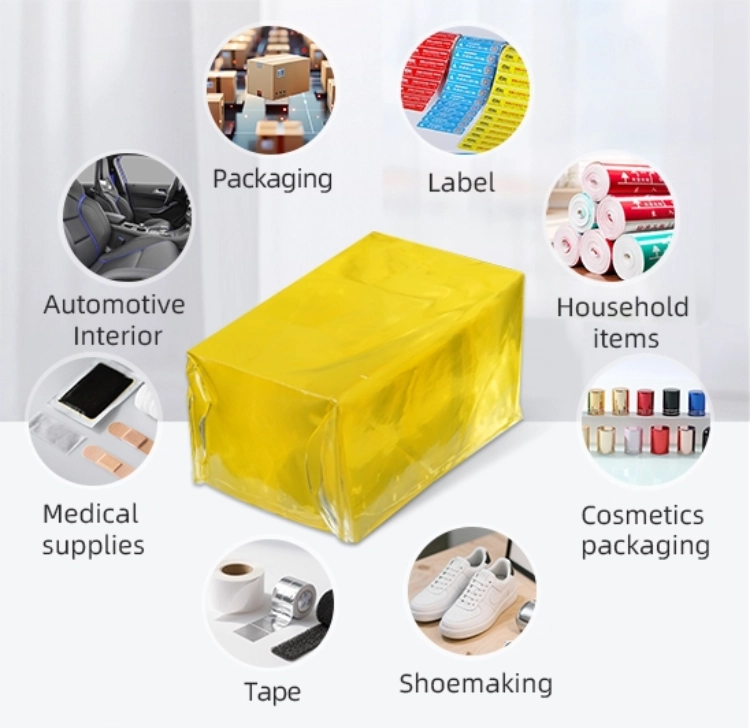
BoiLing supplies hot melt adhesives for footwear applications, including sponge bonding and insole composite work. Its technical support scope covers application advice, equipment troubleshooting, and production process optimization. The company also offers customized formulation discussions and samples after performance and testing requirements are established. For an insole project, provide the complete fabric-and-foam stack, actual material samples, coating equipment, desired cushion feel, and proposed acceptance checks. Ask for the matching technical information and a trial recommendation for that construction. The technical service information provides a starting point for the discussion. Keep the eventual approval specific to the evaluated laminate, without extending it to other shoe joints.
Conclusion
Select shoe insole adhesive by qualifying the complete footbed laminate and the process used to make it. Identify the interfaces, assess the bonded cushion and facing, and record coating and joining conditions. Use a suitable laminate test alongside the buyer’s finished-part evaluation, then preserve the accepted sample and processing record. For the next trial, send the material stack and requirements to the supplier. A defined insole application gives the technical team a clearer basis for recommending and evaluating a candidate.
FAQs
Is shoe insole adhesive the same as outsole adhesive?
Do not assume one approval covers both applications. Define the interfaces in your insole laminate and qualify that construction. Treat outsole attachment as a separate bonding requirement requiring its own technical review.
Can an EVA sample qualify every foam construction?
No. Identify the actual foam grade, facing material, and complete stack in the trial record. Review other constructions separately before extending the purchasing approval beyond the materials represented by the accepted sample.
Why assess the softness of a bonded footbed?
The shoe-product guidance identifies adhesive softness as relevant to preserving sponge compressibility and accommodating deformation. Evaluate the finished laminate against the buyer’s reference, alongside bond performance and facing appearance requirements.
Is T-peel suitable for every finished insole?
Ask the laboratory to confirm suitability. ASTM D1876 concerns adhesive bonds between flexible adherends in a T-type specimen. The complete insole and the proposed specimen must be considered before choosing that method.
What should be sent for an insole adhesive trial?
Send the actual fabric and foam layers, construction details, coating equipment information, desired feel, and acceptance requirements. Ask for grade-specific processing guidance and agree on the evaluation before preparing production samples.
 Consult
 Whatsapp
 Leave Message
 top