







Table of Contents
Related news
Label Hot Melt Glue for High-Speed Labeling: Initial Tack, Anti-Curling, and Material Compatibility
200 bottles a minute. That’s what your labeling line runs, and it forgives nothing. One label drifts. One edge curls. One nozzle blocks and the line halts — money burns with every second it stands still.
Whether a label hot melt glue copes with high-speed work comes down to three properties: initial tack, anti-curling behavior, material compatibility. Right on all three, the line runs all day. Wrong on one, you’ll see it again at the rejects bin. This guide walks through each property, then looks at what the glue does inside the melter — the part most buyers skip. None of it needs a chemistry degree. It needs a checklist and an honest line trial.
Initial Tack: The First Milliseconds Decide
At full speed the label kisses the container for a fraction of a second. Whatever bonds in that moment is the bond you live with. High initial tack isn’t optional at this speed. It decides everything.
Tack performance is determined by both glue formulation and application temperature. Warmer glue wets faster. Push the heat too far and you buy bleed, odor, and breakdown instead. The better glues hold that balance.
Container temperature is the third piece. A bottle fresh from a warm filling line wets easily. One pulled from a chiller sweats, and the glue’s heat gets spent warming the surface instead of bonding it. Slow the applicator slightly or nudge the temperature up — within spec — to compensate.
Try it: sample labels, line at full speed. Leading edges lifting or shifting? Then tack is too low for that speed. That’s the whole diagnosis. BoiLing’s application engineers suggest the same fix — move to a model with stronger initial tack or quicker curing.
One more variable people miss: applicator response speed relative to conveyor line speed. If the applicator lags even slightly behind the conveyor, contact time drops and the bonding window shrinks further. Tack requirements go up, not down.
Dwell time is the quiet half of this. Two applicators can run the same glue at the same speed and get different results, because one presses the label for 40 milliseconds and the other for 15. If tack looks borderline on the line, measure the actual contact time before you blame the adhesive.
Anti-Curling: Where Good Labels Go Bad
Curl usually comes from two places. Memory locked into the label stock. Or stress building in the glue while it sets.
The stock can’t be swapped mid-job. The glue can. Pick one with open time that matches and enough flex. Over-rigid glue shrinks and drags the label edges upward; a softer set lets everything lie flat.
Facestock memory shows up worst on narrow labels wrapped tight around small radii. The print house wound that roll tight, and the stock remembers. Letting pallets relax for a day before running helps. So does choosing a glue with lower setting stress.
One habit worth keeping: look at the edges again after 24 hours, not only at the applicator. Late curl happens.
Humidity deserves its own mention. Facestock absorbs moisture from the air and tries to return to its printed shape. A glue with more flexibility absorbs some of that movement instead of fighting it. In monsoon-season plants or humid coastal sites, this matters more than any datasheet number.
Material Compatibility Across the Line
High-speed lines hop between containers. PET this hour, HDPE the next, glass after lunch. A single glue rarely nails all three. A few get close.
Hold the glue’s tested substrate list against the containers you actually run. Surface energy. Curvature. Fill temperature. And watch cold fills closely — condensation kills a weak bond quietly, before anyone notices.
Glass brings its own twist. Smooth and high-energy, it bonds easily — but it’s heavy, and labels must hold under the weight of the product for months, sometimes in a fridge. Check shear strength, not just tack.
Facestock counts just as much. The same adhesive meets coated paper, thermal paper, and film in three different ways. Which is exactly why the specialist suppliers split their label ranges by substrate rather than pushing one glue for everything.
One Glue for Everything, or the Right Glue for Each?
Stocking a single adhesive feels cheaper. Fewer SKUs, simpler ordering, one datasheet to file. But the compromise glue usually runs hotter than some substrates need and wetter than others can take. Waste creeps up. So do complaints from the field.
Running two or three matched formulations costs more in storage and demands real changeover discipline. What it buys back is fewer label failures and fewer unplanned stops. On a line pushing 200 bottles a minute, a single avoided stop often pays for the whole arrangement.
A middle path works for many plants: one glue for the high-volume container, a second for everything else. Two SKUs, most of the benefit. Start there if a full split feels like too much.
How the Glue Behaves in the Melter
Everybody talks about bond strength. Molten behavior is what pays the bills.
Stringing fouls applicators. Carbonization blocks nozzles — usually after long hot runs, or one zone running hotter than it should. Adhesive bleed stains labels and jams cutters. Glue mixed for automated application flows clean, coats evenly, sets fast. Odor belongs on the list too: operators stand next to these melters all shift.
Stringing? Check operating temperature first. Then the glue’s anti-stringing formulation. Two levers, in that order.
A decent inline filter is cheap insurance on a line that stops the moment a nozzle blocks. It catches char and grit before they reach the applicator. Check it weekly on high-speed work.
Maintenance habits help every glue, good or bad. Drain and clean the melter on schedule. Swap out charred hoses. Keep the lids shut so dust stays out. Half the bad-glue complaints trace back to a melter that hasn’t been opened in months.
BoiLing Label Hot Melt Glue on the Line
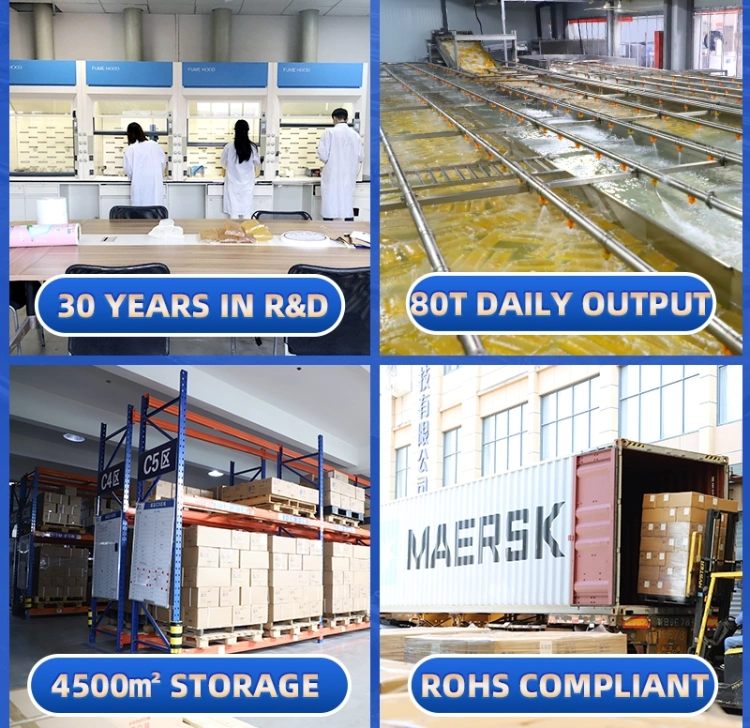
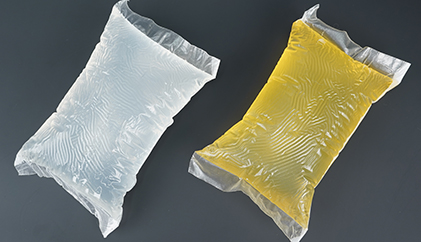
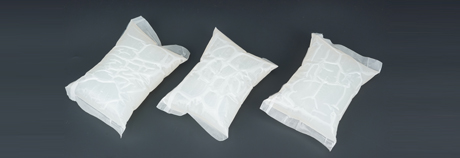
BoiLing built its label hot melt glue for exactly this environment — a pressure-sensitive hot melt engineered around high-speed application, strong initial tack, fast setting.
The range matches what a real line actually meets: water bottle label hot melt adhesive,plastic label hot melt adhesive, coated paper label hot melt adhesive, and thermal paper label hot melt adhesive label adhesives. One supplier. Matched formulations. No single compromise glue failing four jobs at once.
Behind the catalogue sits an R&D department that mixes custom formulations for specific lines — samples in 2 to 3 days, mass production inside 10 working days. Plants where summer and winter act differently can also get seasonal adjustments.
Thermal stability gets special attention in the mixing. Long hot runs are where weaker glues carbonize and block. BoiLing targets that exact failure mode.
Quick Fixes for Common Line Problems
- Label drift within the hour. Tack too low for the speed, or applicator contact time too short.
- Curl after 24 hours. Rigid setting. Move to a softer formulation with matched open time.
- Nozzles blocking between shifts. Carbonization. Check the tank temperature and drain the system.
- Strings on every label. Operating temperature first. Anti-stringing formulation second.
Conclusion
Speed exposes every weakness — poor tack, rigid setting, muddy molten flow. Glue that keeps initial tack, anti-curling, and material compatibility at line rate earns the slightly higher price.
See how the formulations split by substrate across BoiLing’s label adhesive glue range and its wider pressure-sensitive hot melt adhesive catalog.
Got a high-speed project to test? Contact BoiLing for samples and a line trial.
FAQ
What tack level suits a 200-bottles-per-minute line?
High. Milliseconds — that’s the whole bonding window at that speed. Anything below strong initial tack turns into visible label drift within the hour.
How do I stop labels curling on plastic bottles?
Open time matched to the job. Recommended application temperature. Then a second edge check after 24 hours. Over-rigid setting is the usual culprit.
Can the glue be customized for our specific line?
Yes. Formulations get customized by application, material, and season. Samples can be delivered within 2 3 working days once requirements are confirmed.
Does higher application temperature always improve tack?
No. It helps up to a point, then brings bleed, odor, and breakdown. Stay inside the window printed on the datasheet.
How often should the melter be cleaned on a high-speed line?
A light flush every week on continuous production. A full clean at every long shutdown. Heavy carbonization means some zone has been running hot — find it before it ruins the next charge too.
Do these adhesives suit food-adjacent packaging?
For indirect contact they often do, under the rules that apply in your market. Get the compliance paperwork from the supplier in writing before you ship. Don’t take a verbal yes.
 Consult
 Whatsapp
 Leave Message
 top